Validate structural and assembly interfaces during robot development
htl@htlcnc.comWhatsApp +1 936 358 5257Shenzhen, China · Worldwide OEM support
 Request a quote →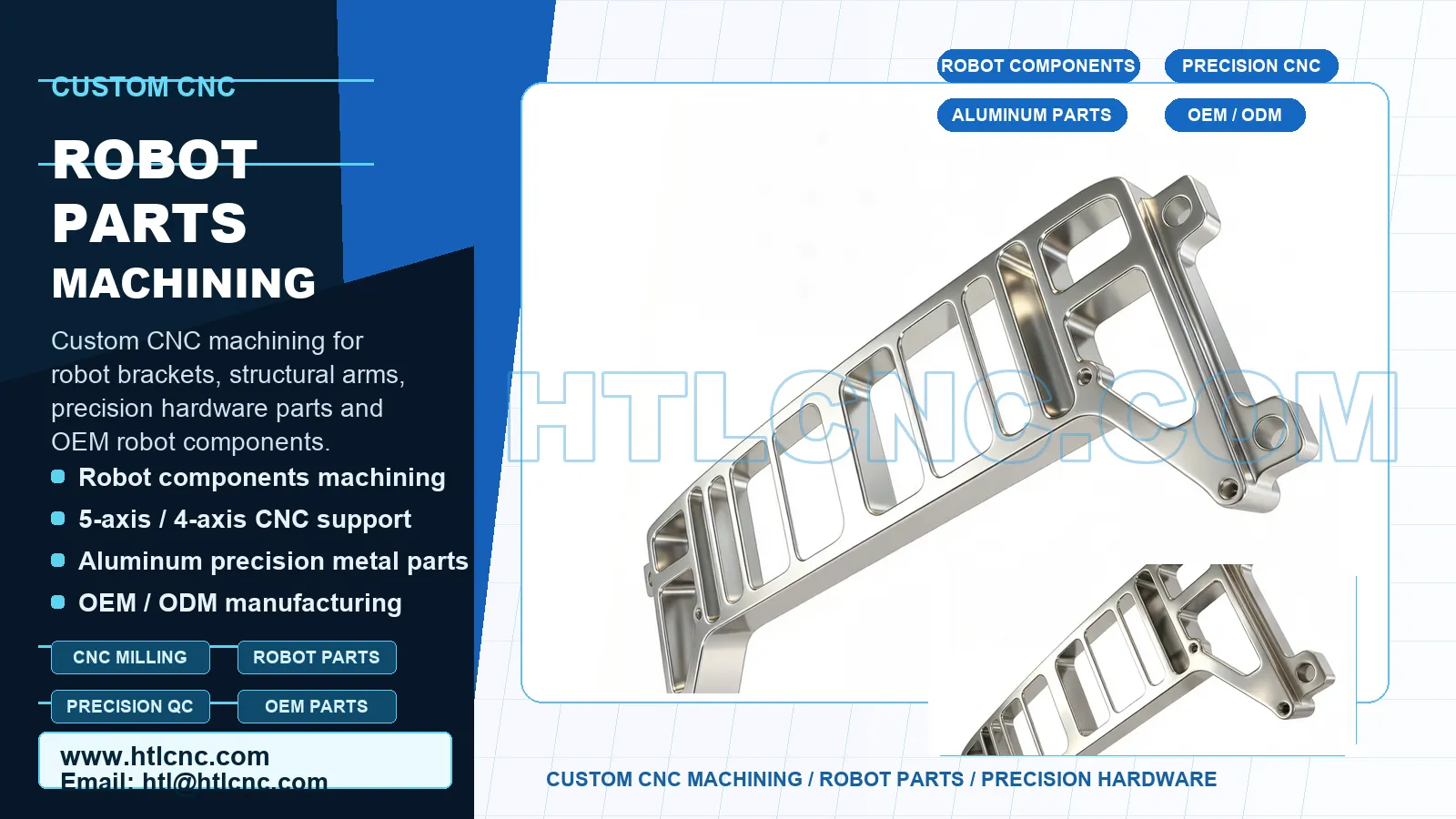
Precision components for robotic equipment
Robot Parts CNC Machining for OEM Equipment
Drawing-based machining supports robotics teams with structural components, mounting hardware, housings and repeatable interfaces from prototype to OEM supply.
15 yearsmanufacturing experience
85+machining & inspection systems
3/4/5-axismilling, turning & turn-mill
WorldwideB2B engineering support
Built around the buyer's requirements
From a complete RFQ to a controlled supply process.
Control bores, hole patterns, mounting faces and multi-axis relationships
Coordinate motor, sensor, actuator and enclosure features from drawings
Establish revision-controlled pilot and recurring OEM orders
01
Machined parts for robotic assemblies
Robotic equipment can combine structural frames, joints, brackets, motor and sensor mounts, actuator interfaces, housings, flanges and precision hardware. These parts often place functional features on several faces and require reliable relationships between bores, mounting patterns and mating surfaces.
HTL CNC manufactures from customer-controlled models and drawings. The buyer defines material, tolerances, finish, load requirements, compliance and final use; visible appearance alone is not used to infer performance or safety requirements.
- Robot frames, joints, brackets and structural components
- Motor, actuator, sensor and camera mounts
- Protective housings and electronics interfaces
- Prototype, pilot and recurring OEM quantities
02
Process selection for connected features
Robotic components may require milling, turning, turn-mill machining or coordinated multi-axis setups. The appropriate route depends on feature access, datum relationships, part rigidity, quantity and the inspection requirements shown on the released drawing.
Prototype workholding can support design evaluation, while approved repeat orders may use controlled soft jaws, fixtures and setup references. Edge condition, cable or connector openings and assembly access should be reviewed together with dimensional requirements.
03
Revision and supply control for robotics teams
Robotics programs can evolve quickly, making revision control as important as machining. RFQs, sample labels, inspection results and purchase orders should reference the same released data so obsolete geometry is not reproduced.
After validation, defined inspection points, finish requirements, protected packaging and demand forecasts support low-volume ramp-up and recurring orders. Buyers should state any first-article, material-documentation or traceability requirements before quotation.
Prototype to production
A practical B2B manufacturing path
Every stage remains connected to the customer's approved drawing, revision and purchasing requirements.
- 01
Interface review
Identify mating faces, bores, hole patterns, motion and mounting relationships.
- 02
Prototype machining
Produce revision-identified parts for assembly and engineering evaluation.
- 03
Quality approval
Confirm critical dimensions, finish, inspection evidence and packaging.
- 04
OEM supply
Control approved programs and revisions for pilot and recurring batches.
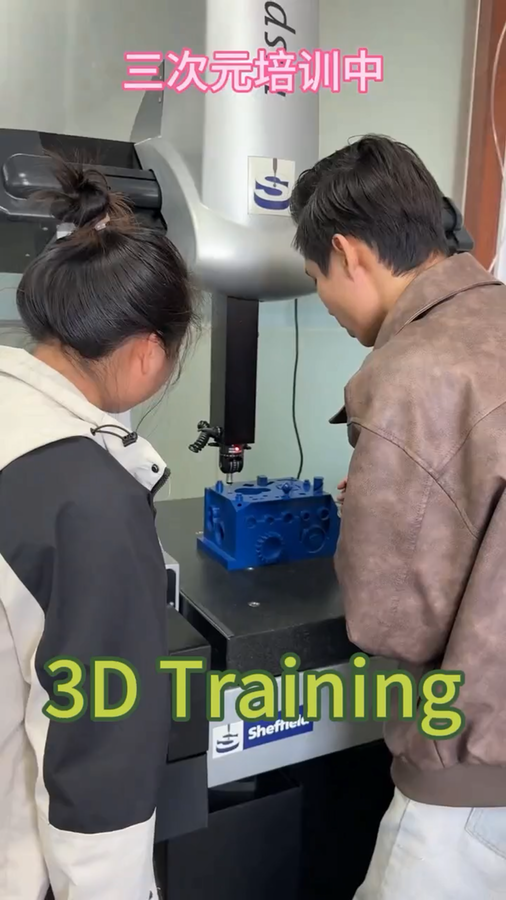
Inspection scope defined before production
Quality evidence for supplier approval
Measurement methods and documentation are selected from the released drawing and agreed purchase-order requirements.
- Bores, hole patterns and mounting datums
- Motor, sensor and actuator interface geometry
- Mating faces and multi-part assembly relationships
- Threads, edges and specified surface finish
- Revision identity and repeat-batch consistency
Engineering and procurement FAQ
Answers before you request a quote
What robot components can be quoted for CNC machining?
Drawing-based projects may include frames, joints, brackets, mounts, flanges, housings and motor, actuator, sensor or electronics interfaces.
Can robot parts be supplied in development quantities?
Yes. Prototype and pilot quantities can support fit and assembly evaluation before controlled recurring orders are released.
How are robot design revisions controlled?
The RFQ, approved drawing, machining program, sample identification, inspection records and purchase order should all reference the same released revision.
Start with complete project data
Send your drawings for engineering review.
Include STEP files, 2D drawings, material, quantities, tolerances, finish, inspection and delivery requirements.