Receive machined samples for fit, assembly and engineering evaluation
htl@htlcnc.comWhatsApp +1 936 358 5257Shenzhen, China · Worldwide OEM support
 Request a quote →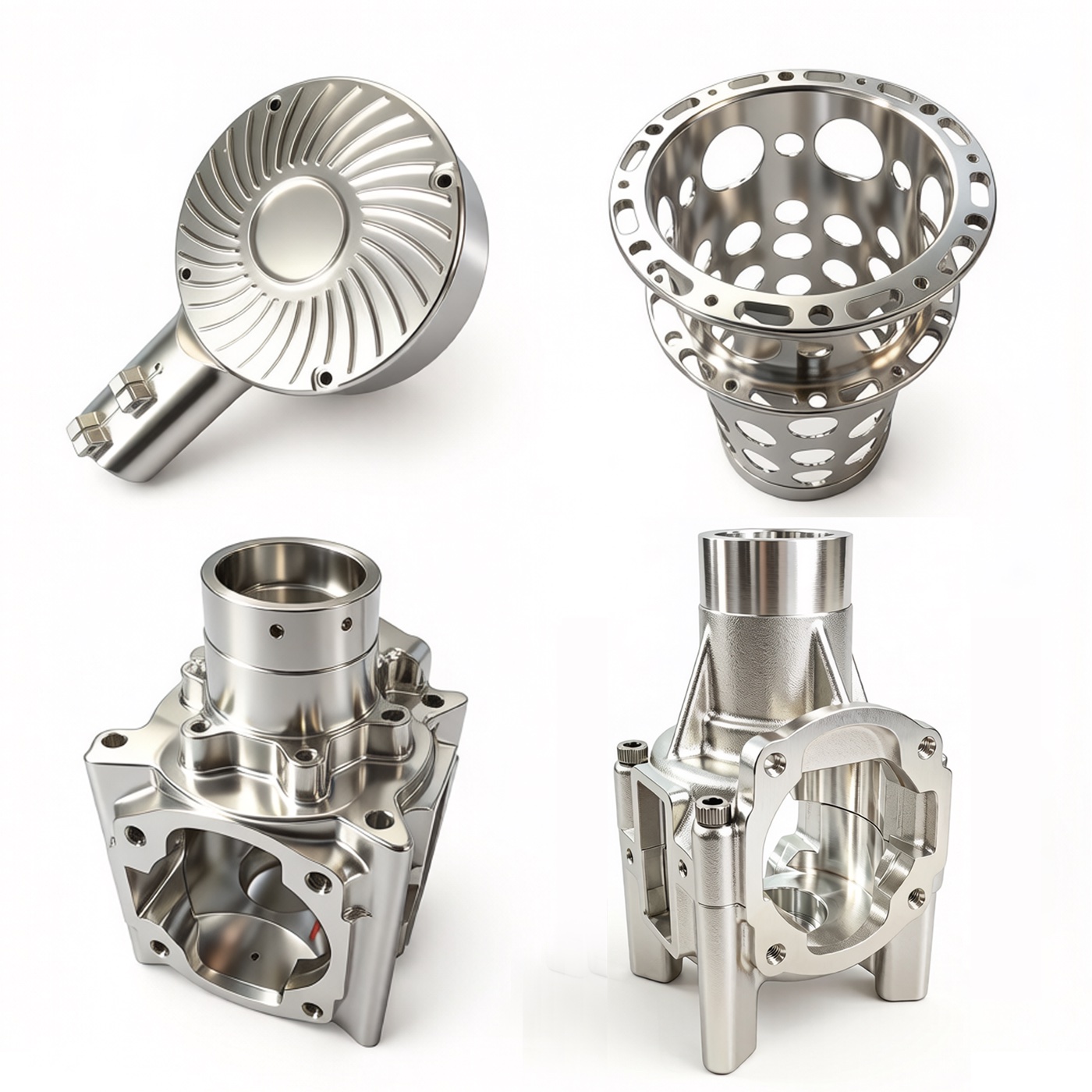
Engineering samples to controlled production ramp-up
Prototype and Low-Volume CNC Machining for OEM Development
Use production-relevant CNC processes to validate fit, assembly and manufacturability before committing to recurring OEM orders.
15 yearsmanufacturing experience
85+machining & inspection systems
3/4/5-axismilling, turning & turn-mill
WorldwideB2B engineering support
Built around the buyer's requirements
From a complete RFQ to a controlled supply process.
Identify manufacturability risks before a design is released for repeat orders
Control revisions through pilot builds and supplier qualification
Bridge development demand while recurring production requirements mature
01
Machined prototypes built from controlled design data
A prototype order should represent a specific drawing revision and validation purpose. HTL CNC reviews the model, material, critical features, quantity, finish and inspection needs before quotation so the sample can answer useful engineering questions.
CNC machining is suitable for functional metal and engineering-plastic components where teams need realistic geometry without committing to production tooling. The process may include milling, turning, turn-mill operations and coordinated finishing according to the part design.
- Engineering prototypes and functional samples
- Pilot builds and supplier-approval quantities
- Low-volume bridge production
- Revision-controlled repeat batches
02
Design review without changing customer intent
Manufacturability review can identify inaccessible corners, fragile walls, unclear datums, missing thread information, finish allowance or inspection conflicts. Recommendations are communicated for customer approval; the released design is not changed without authorization.
When several revisions are tested, file naming, quotation scope, sample labels and approval records should clearly identify which version was manufactured. This reduces the risk of obsolete geometry entering a later purchase order.
03
A controlled path into low-volume supply
After fit and function are accepted, the machining route can be refined for repeatability through controlled workholding, programs, tooling, inspection points and packaging. A pilot batch helps buyers evaluate consistency and supplier communication before increasing order frequency.
Procurement teams should share expected release sizes, annual demand, required inspection evidence, packaging and delivery destination. These inputs support a practical transition from development urgency to a stable B2B supply process.
Prototype to production
A practical B2B manufacturing path
Every stage remains connected to the customer's approved drawing, revision and purchasing requirements.
- 01
Define validation scope
Send the released revision, quantities and the interfaces the prototype must verify.
- 02
Review manufacturability
Resolve unclear features, setup risks, finish and inspection expectations.
- 03
Build and evaluate
Machine labeled samples for fit, assembly and dimensional review.
- 04
Release low volume
Lock the approved revision and repeatable production controls for pilot orders.
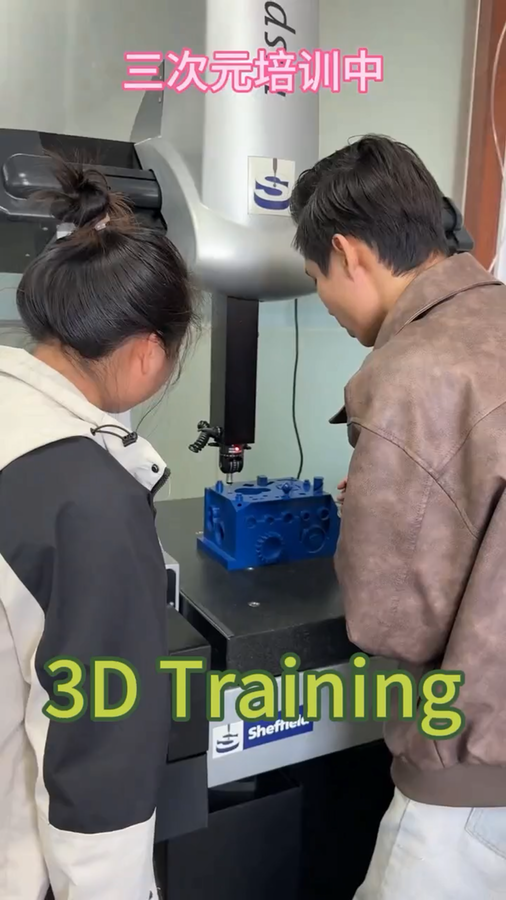
Inspection scope defined before production
Quality evidence for supplier approval
Measurement methods and documentation are selected from the released drawing and agreed purchase-order requirements.
- Correct model, drawing and revision identification
- Critical interfaces selected for prototype inspection
- Fit, assembly and finish acceptance requirements
- Sample labeling and inspection evidence
- Approved changes transferred to repeat-order controls
Engineering and procurement FAQ
Answers before you request a quote
What quantity qualifies as low-volume CNC machining?
There is no universal quantity. The practical batch size depends on part geometry, material, setup effort, inspection scope and the buyer's release plan.
Can HTL CNC suggest manufacturability improvements?
Yes. Potential access, wall, datum, finish or inspection issues can be raised for review, but design changes require customer approval.
How does a prototype become a repeat order?
After approval, the released revision, machining program, workholding approach, inspection points and packaging requirements are controlled for pilot and recurring batches.
Start with complete project data
Send your drawings for engineering review.
Include STEP files, 2D drawings, material, quantities, tolerances, finish, inspection and delivery requirements.