Combine cavities, ribs, bosses, threads and connector openings in one housing
htl@htlcnc.comWhatsApp +1 936 358 5257Shenzhen, China · Worldwide OEM support
 Request a quote →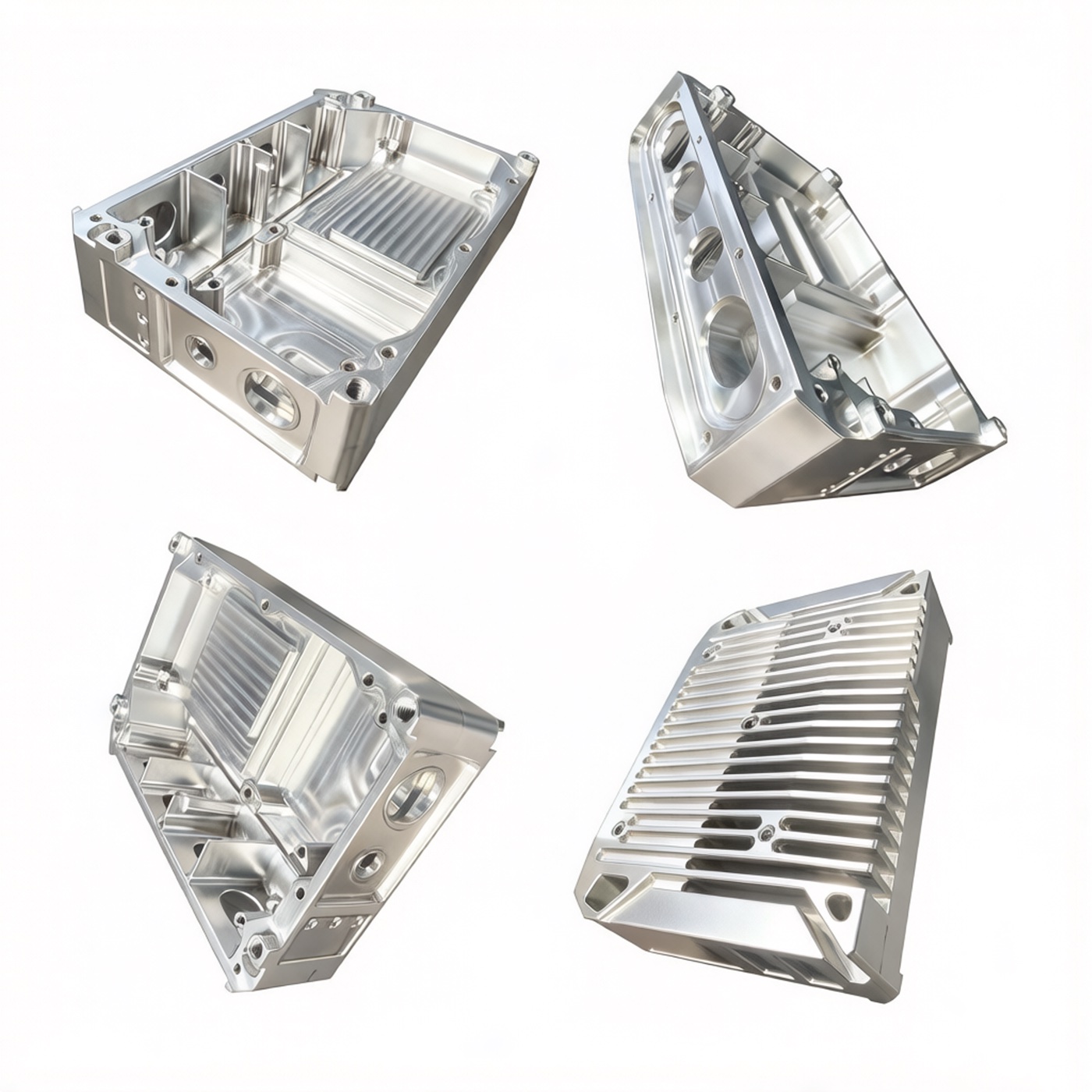
Drawing-based enclosure manufacturing
Aluminum Enclosure CNC Machining for OEM Equipment
Custom machined enclosures can integrate protection, mounting, airflow and heat-dissipation features within one drawing-controlled component.
15 yearsmanufacturing experience
85+machining & inspection systems
3/4/5-axismilling, turning & turn-mill
WorldwideB2B engineering support
Built around the buyer's requirements
From a complete RFQ to a controlled supply process.
Control heat-dissipation fins, ventilation slots and mating surfaces
Coordinate cosmetic zones, masking and customer-specified surface finishing
Protect finished enclosures through cleaning and export packaging
01
Integrated enclosure features
Machined enclosures may contain broad cavities, local pockets, mounting bosses, threaded holes, connector cutouts, sealing faces, ventilation slots and external heat-dissipation features. The relationship between these features can be more important than any isolated dimension.
HTL CNC reviews wall thickness, internal corner radii, cutter access, support during cavity roughing and the risk of distortion after material removal. The final process follows the released model and drawing, including any critical datum or assembly requirements.
- Electronic and communication equipment housings
- Heat-sink enclosures and thermal-management components
- Industrial control boxes and instrument housings
- Prototype, low-volume and repeat OEM enclosure production
02
Thermal, assembly and cosmetic requirements
Fins and slots can support a customer-defined thermal design, while flat contact surfaces, board mounts and connector openings support assembly. These functional relationships should be defined in the drawing rather than inferred from the appearance of a sample.
Cosmetic zones, brushing direction, texture, color range, coating allowance, masking and thread protection should be confirmed before production. Anodizing, blasting, polishing, painting or other treatments are applied only when compatible with the specified material and approved scope.
03
Inspection, cleaning and packaging
Inspection may include cavity depth, wall and flange dimensions, hole position, threads, sealing or mating faces, slot geometry and the relationship between heat-transfer surfaces and internal features. Measurement methods are selected according to the drawing and quality plan.
Blind cavities, slots and threaded holes require controlled cleaning. Finished surfaces may need protective separation, individual wrapping or custom packaging to reduce contact marks during storage and international transport.
Prototype to production
A practical B2B manufacturing path
Every stage remains connected to the customer's approved drawing, revision and purchasing requirements.
- 01
Enclosure review
Confirm internal space, walls, openings, thermal features and assembly datums.
- 02
Rough and finish
Plan stable cavity removal, multi-face access and controlled finishing passes.
- 03
Finish coordination
Apply approved masking, surface treatment and cosmetic acceptance criteria.
- 04
Inspect and protect
Verify functional features, clean cavities and package finished surfaces.
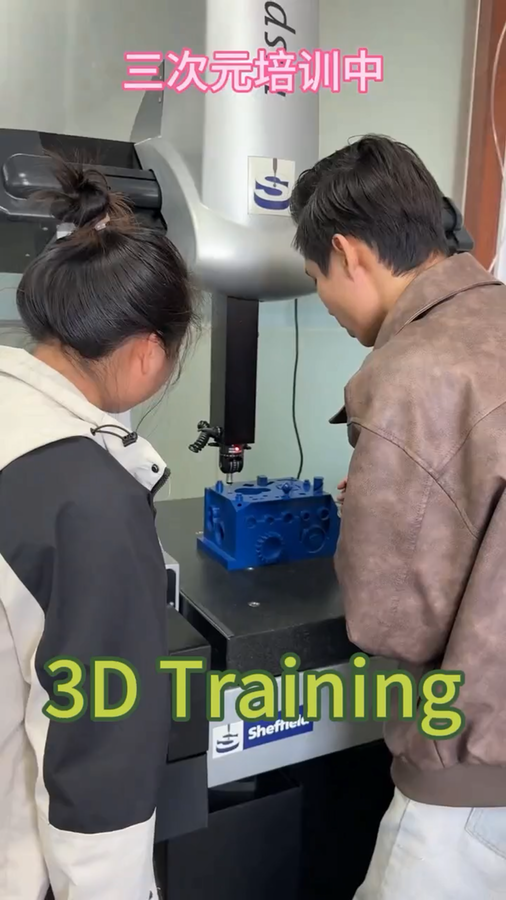
Inspection scope defined before production
Quality evidence for supplier approval
Measurement methods and documentation are selected from the released drawing and agreed purchase-order requirements.
- Cavity, wall, flange and mounting dimensions
- Connector openings, slots and threaded features
- Mating, sealing and thermal-contact surfaces
- Cosmetic zones and approved surface treatment
- Cleaning, labeling and protective packaging
Engineering and procurement FAQ
Answers before you request a quote
Which enclosure details should be identified in an RFQ?
Include internal and external geometry, material, quantities, critical mating features, threads, finish, masking, cosmetic zones, inspection and packaging requirements.
Can HTL CNC machine heat-dissipation features?
Drawing-defined fins, slots, flat thermal contact areas and related mounting features can be reviewed as part of the complete enclosure machining scope.
Are surface treatments included automatically?
No. The required treatment, color, texture, masking and cosmetic acceptance criteria must be specified and agreed for each project.
Start with complete project data
Send your drawings for engineering review.
Include STEP files, 2D drawings, material, quantities, tolerances, finish, inspection and delivery requirements.