Receive a manufacturable quotation from complete 2D and 3D data
htl@htlcnc.comWhatsApp +1 936 358 5257Shenzhen, China · Worldwide OEM support
 Request a quote →
Direct CNC manufacturer in Shenzhen, China
Custom CNC Machining Services for OEM Parts
HTL CNC supports overseas engineering and procurement teams with drawing-based machining from prototype validation to stable repeat production.
15 yearsmanufacturing experience
85+machining & inspection systems
3/4/5-axismilling, turning & turn-mill
WorldwideB2B engineering support
Built around the buyer's requirements
From a complete RFQ to a controlled supply process.
Validate fit, function and critical dimensions before production release
Move from prototype quantities to controlled low-volume and repeat orders
Maintain revision, inspection and packaging requirements across batches
01
A drawing-based manufacturing partner
Custom CNC machining begins with the released design, not a catalog part. HTL CNC reviews geometry, material, tolerances, surface finish, quantity and inspection requirements before selecting a machining route. This helps overseas OEMs compare quotations on a complete technical scope instead of price alone.
Our current production scale includes more than 85 machining and inspection systems covering CNC milling, CNC turning, turn-mill machining and dimensional verification. The appropriate equipment and setup plan depend on feature access, datum relationships, part rigidity and order volume.
- 3-axis, 4-axis and 5-axis CNC milling
- CNC turning and turn-mill machining
- Prototype, pilot-run and repeat OEM production
- Metals and engineering plastics specified by customer drawings
02
Engineering review before machining
A complete RFQ should include a STEP file or other usable 3D model, a controlled 2D drawing, specified material, quantities, critical tolerances, thread notes, finish requirements and delivery destination. If inspection reports, material documentation, special packaging or confidentiality terms are required, they should be identified before quotation.
The review considers tool access, minimum corner radii, wall thickness, workholding surfaces, deformation risk, burr-sensitive areas and the relationship between features on different faces. Any proposed manufacturing change should be approved before the released model or drawing is altered.
03
Prototype to repeat-order consistency
Prototype machining allows engineering teams to test assembly and function without production tooling. After approval, controlled programs, repeatable workholding, defined inspection points and revision management support low-volume ramp-up and recurring purchase orders.
Procurement teams can communicate annual demand, expected release frequency and packaging requirements so material planning, batch size and lead time can be reviewed realistically. The objective is a repeatable supply process, not only one acceptable sample.
Prototype to production
A practical B2B manufacturing path
Every stage remains connected to the customer's approved drawing, revision and purchasing requirements.
- 01
Submit RFQ
Send drawing, STEP file, material, quantities, finish and delivery requirements.
- 02
Engineering review
Review geometry, tolerances, setups, quality scope and manufacturability.
- 03
Prototype validation
Confirm fit, functional interfaces, appearance and inspection results.
- 04
Controlled production
Release repeat batches using approved revisions and inspection points.
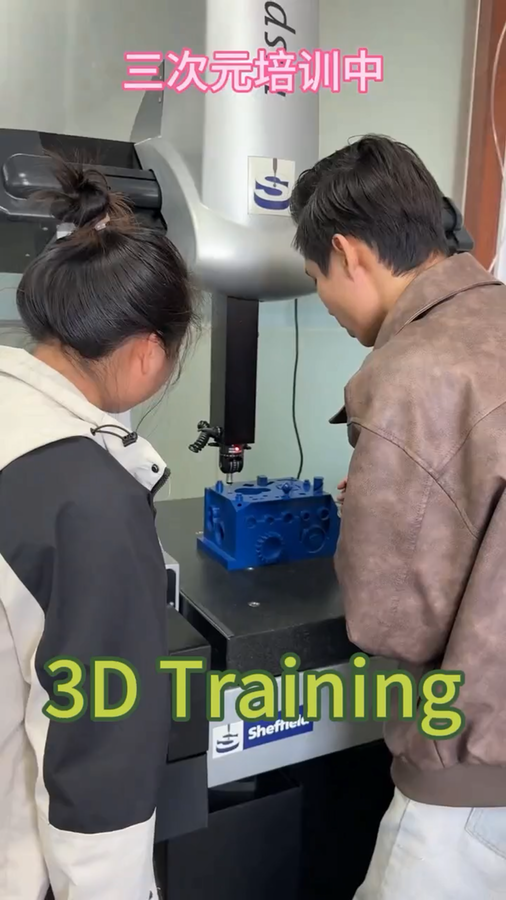
Inspection scope defined before production
Quality evidence for supplier approval
Measurement methods and documentation are selected from the released drawing and agreed purchase-order requirements.
- Functional datums and critical dimensions
- Hole, bore, thread and mating-feature relationships
- In-process and final dimensional verification
- Agreed first-article or batch inspection records
- Surface-finish, cleaning and packaging requirements
Engineering and procurement FAQ
Answers before you request a quote
What files should be included in a custom CNC machining RFQ?
Send a 3D model, controlled 2D drawing, specified material, quantities, critical tolerances, finish, inspection requirements and delivery destination.
Can HTL CNC support both prototypes and repeat production?
Yes. Projects can begin with engineering samples or pilot quantities and move to controlled low-volume or recurring OEM orders after approval.
Which machining process will be used?
The process may include 3-axis, 4-axis or 5-axis milling, CNC turning or turn-mill machining. Selection depends on geometry, datum relationships, tolerance and quantity.
Start with complete project data
Send your drawings for engineering review.
Include STEP files, 2D drawings, material, quantities, tolerances, finish, inspection and delivery requirements.