Reduce component mass while preserving drawing-defined mounting structure
htl@htlcnc.comWhatsApp +1 936 358 5257Shenzhen, China · Worldwide OEM support
 Request a quote →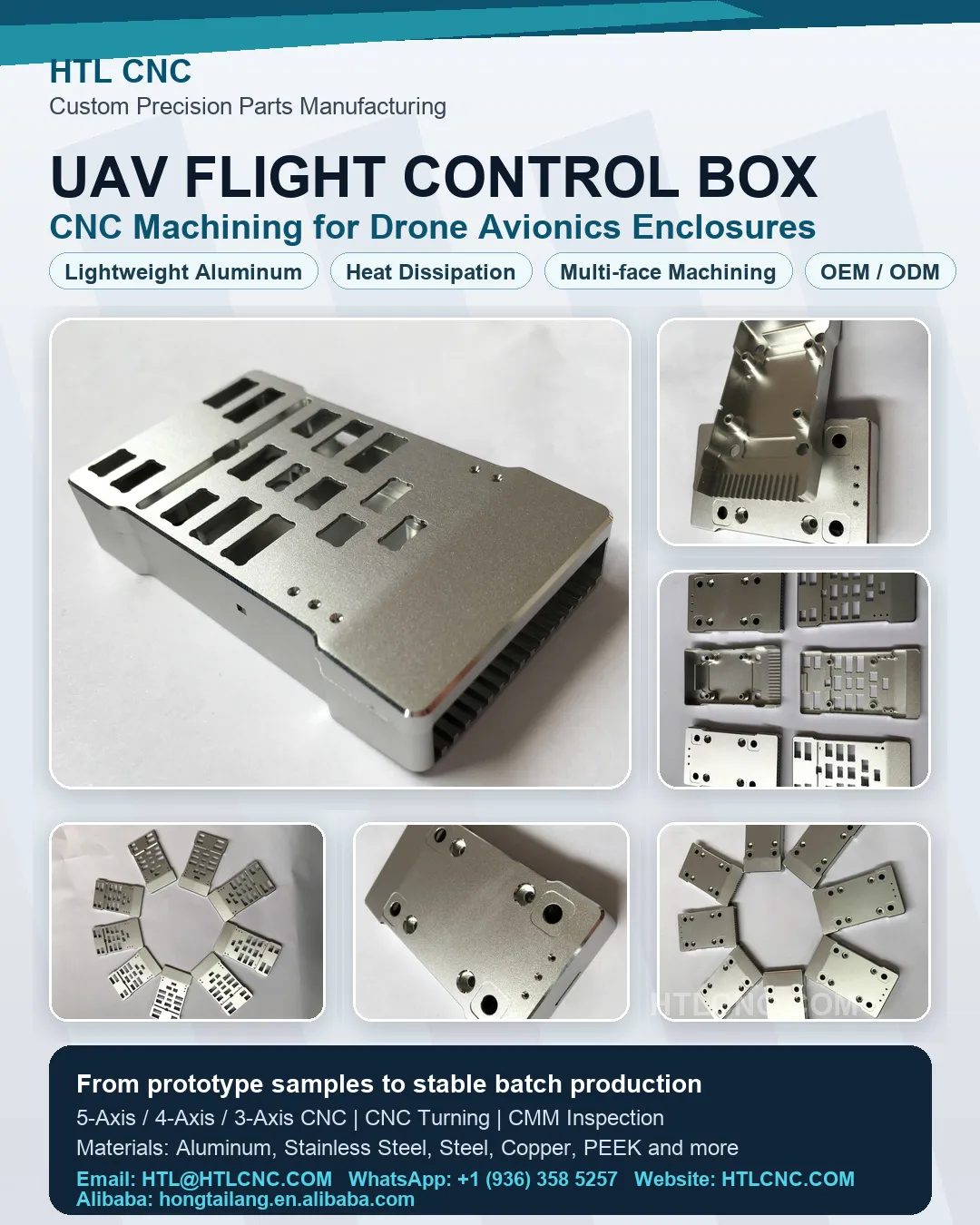
Drawing-based manufacturing for unmanned aircraft hardware
UAV and Drone Parts CNC Machining for OEM Programs
Support UAV product-development and purchasing teams with drawing-based structural parts, electronics housings, mounts and precision interfaces.
15 yearsmanufacturing experience
85+machining & inspection systems
3/4/5-axismilling, turning & turn-mill
WorldwideB2B engineering support
Built around the buyer's requirements
From a complete RFQ to a controlled supply process.
Integrate electronics protection, connector access and thermal features
Control multi-face interfaces for payloads, sensors, frames and assemblies
Move UAV development hardware into documented repeat OEM production
01
Components for UAV and drone assemblies
UAV and drone programs often require lightweight structural parts, flight-control and electronics enclosures, payload and sensor mounts, flanges, brackets, frames and multi-feature housings. These components may combine pockets, thin sections, bores, hole patterns and interfaces distributed across several faces.
HTL CNC manufactures from customer-controlled drawings, STEP files and approved requirements. Exact materials, tolerances, compliance needs and final applications must be defined by the customer; no flight, safety or performance claim is inferred from a product image.
- UAV avionics and flight-control enclosures
- Structural frames, brackets and mounting parts
- Payload, sensor, motor and communication interfaces
- Prototype validation and repeat OEM supply
02
Lightweight geometry and multi-face machining
Weight reduction can create thin walls, broad openings and interrupted structures that require careful workholding. Roughing and finishing sequences should preserve support around critical interfaces while avoiding excessive clamping or local deformation.
Depending on geometry, the route may use 3-axis, indexed 4-axis or 5-axis milling, CNC turning or turn-mill operations. Process selection is based on feature access, datum relationships, rigidity and quantity rather than industry labels alone.
03
Supplier qualification for development programs
Engineering teams need prototype parts that support fit and functional testing. Procurement teams also evaluate drawing confidentiality, revision handling, inspection documentation, communication and delivery performance before approving a supplier for repeat orders.
After sample approval, controlled programs, repeatable fixtures, agreed inspection points, protected packaging and demand forecasts support low-volume ramp-up. Customers should identify material documentation, first-article requirements or special traceability during quotation.
Prototype to production
A practical B2B manufacturing path
Every stage remains connected to the customer's approved drawing, revision and purchasing requirements.
- 01
Program review
Review interfaces, weight-sensitive geometry, material and validation quantities.
- 02
Prototype build
Machine samples for assembly, fit, interface and inspection review.
- 03
Revision approval
Lock approved drawings, programs, inspection points and packaging scope.
- 04
OEM ramp-up
Plan recurring batches, documentation, capacity and delivery requirements.
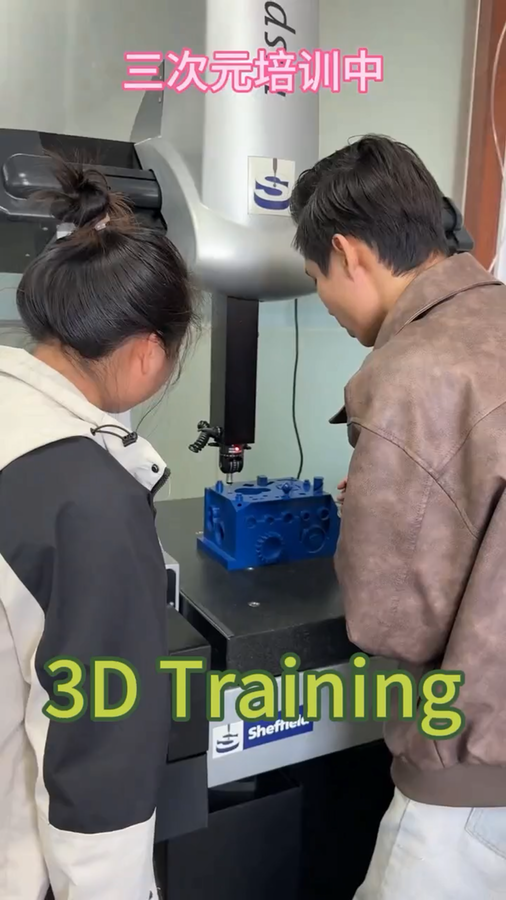
Inspection scope defined before production
Quality evidence for supplier approval
Measurement methods and documentation are selected from the released drawing and agreed purchase-order requirements.
- Mounting datums and multi-face feature position
- Bores, shafts, flanges and rotating interfaces
- Thin-wall, pocket and lightweight-frame geometry
- Electronics housing and connector relationships
- Revision, inspection and packaging records
Engineering and procurement FAQ
Answers before you request a quote
What UAV and drone parts can be reviewed for CNC machining?
Typical drawing-based projects include structural frames, flight-control housings, brackets, mounts, flanges and motor, sensor, payload or electronics interfaces.
Can HTL CNC support product-development quantities?
Yes. Prototype and pilot quantities can be used for fit, assembly and inspection validation before a controlled repeat-order route is released.
Are aerospace or safety certifications assumed?
No. Any certification, traceability, documentation or validation requirement must be explicitly defined, reviewed and agreed before order acceptance.
Start with complete project data
Send your drawings for engineering review.
Include STEP files, 2D drawings, material, quantities, tolerances, finish, inspection and delivery requirements.